Engaging in social service requires a foundation of faith and spirituality
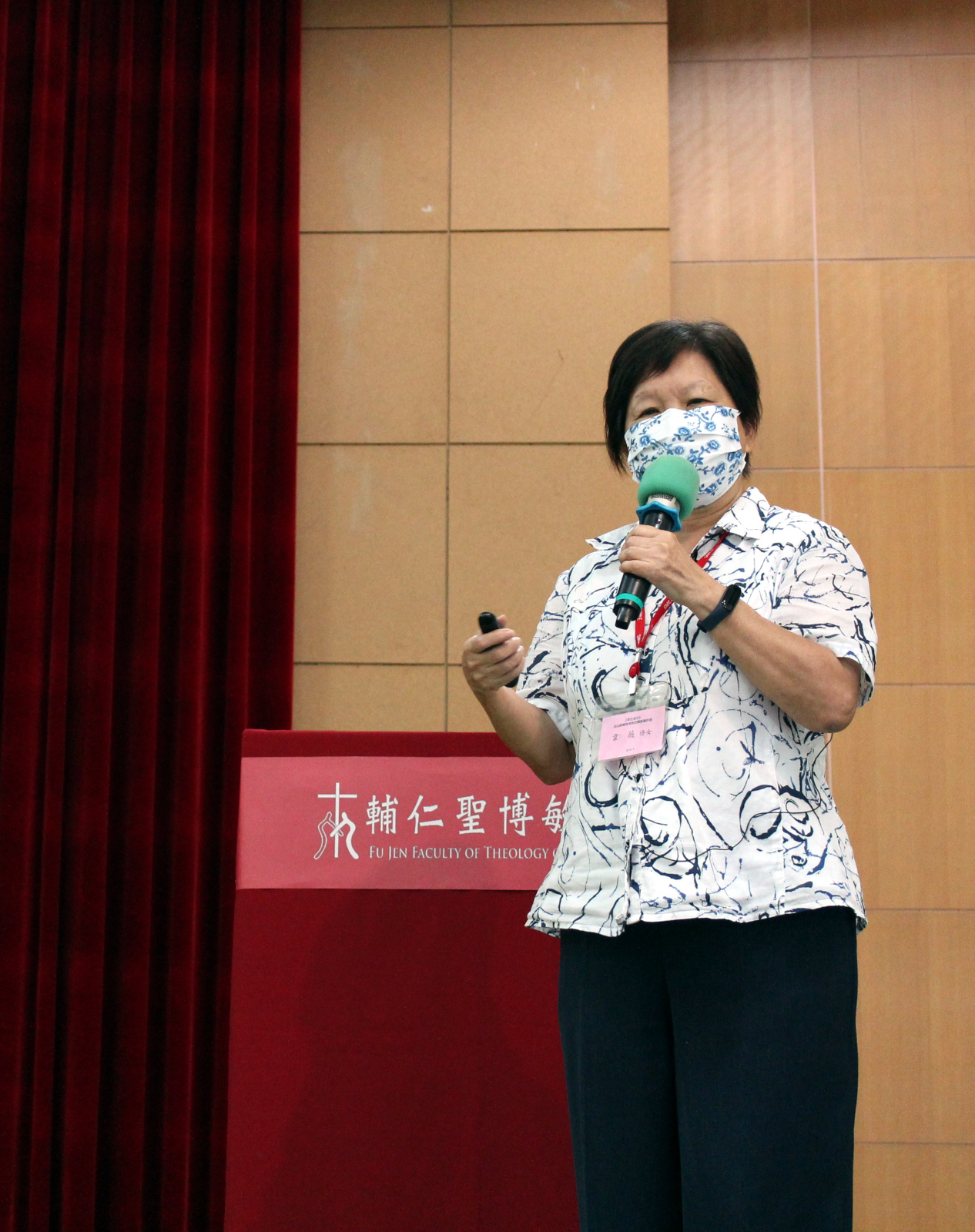
In the afternoon the workshop proceeded with the presentation made by Sister Stephana Wei MMB (Executive Secretary of the Integral Human Development Committee of the Men and Women Religious Association of Taiwan. She centered on the implications of “Fratelli Tutti” for Catholic Social Services. Sr. Wei has extensive experience in this field; she has served as the director of the “Rerum Novarum Social Service Center” for 22 years, and has been for many years a member of Human Rights, Women's Rights, and Gender Equality Committees in different departments of Taiwan government.
At present, Catholic social service organizations include halfway homes for children and other children’s welfare related institutions, homes for the elderly, services for the physically and mentally handicapped, attention to aboriginal families, women’s service centers, minorities’ cultural and health stations, etc. Among them, the services for the physically and mentally handicapped, and providing health centers for the elderly are the most abundant. Sr. Wei also mentioned that, nowadays, foreign workers in Taiwan already enjoy five powers, productivity, health care, consumer, marketing ability and entrepreneurial ability, which are enough to enable them to ride the present social situation.
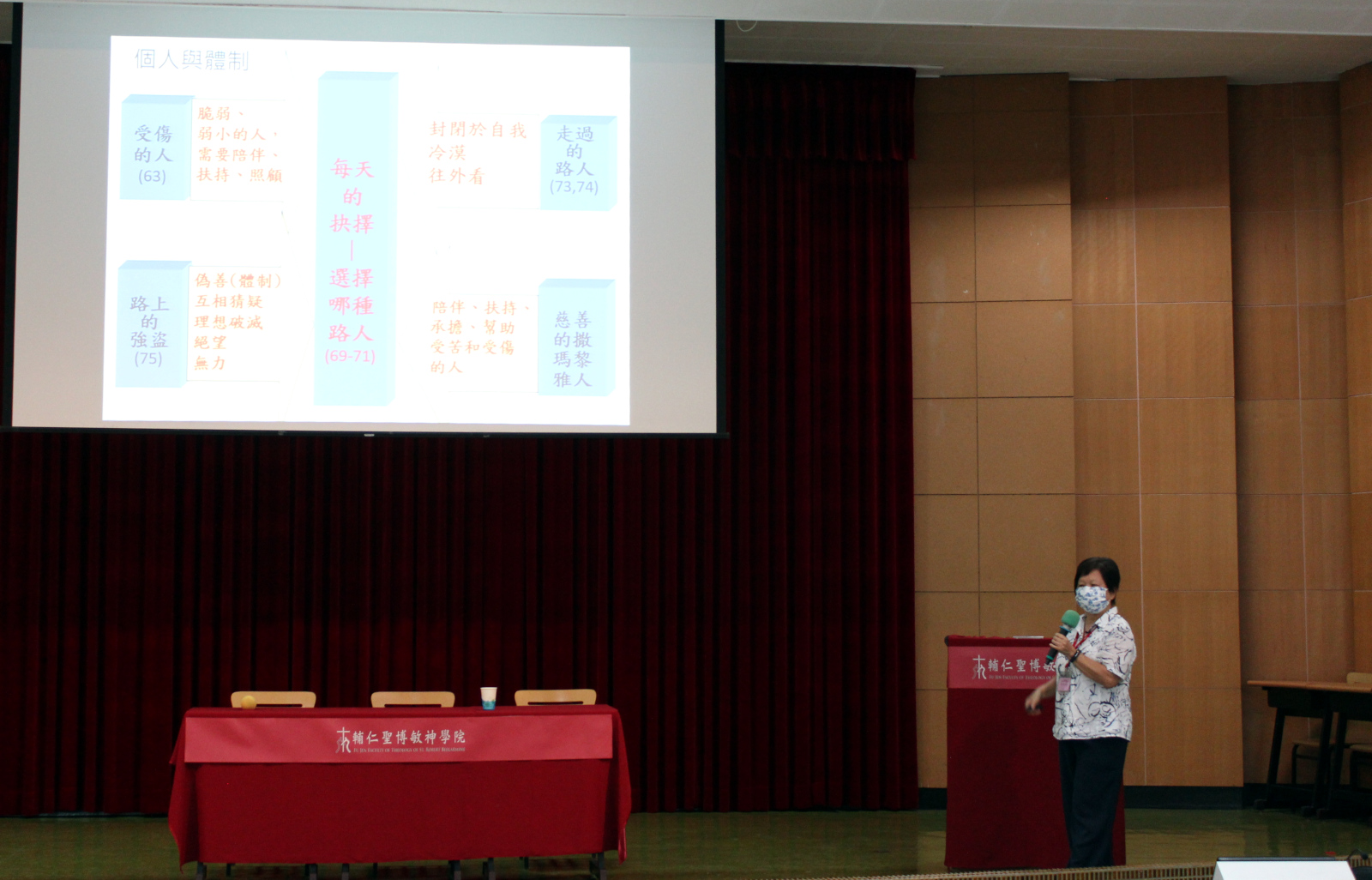
Following the encyclical teachings, Sr. Wei also reminded us that we should step out of the professional framework, be close to the injured, respect and appreciate the fragile in society, and support the other party’s decision even though sometimes it may be contrary to the Church’s understanding or teaching. Enhancing the fraternity of the whole person requires institutional reforms that transcend political, social, and economic pursuit of efficiency and productivity, so that we can truly focus on the quality of social services. The Pope emphasized unity and care. People should think and act at the community level, consider the well-being of everyone and take care of the vulnerable.
In the encyclical, the Pope also cares about the welfare of migrant workers, who are forced to leave their original environment and country, and suffer physical and mental abuse, victims of violence and human trafficking. The Pope put forward four verbs to have in mind when accompanying migrant workers: acceptance, protection, development and integration, to give migrant workers sufficient training so that they can grow and contribute the society they are joining, instead of condemning them to isolated ghettos unable to participate. The Pope advocated opening up humanitarian corridors in refugee areas, providing them with opportunities for work and education, protecting minors and their families, and at the same time guaranteeing religious freedom.
Opening Churches’ doors to welcome those who want to listen the good news of Jesus
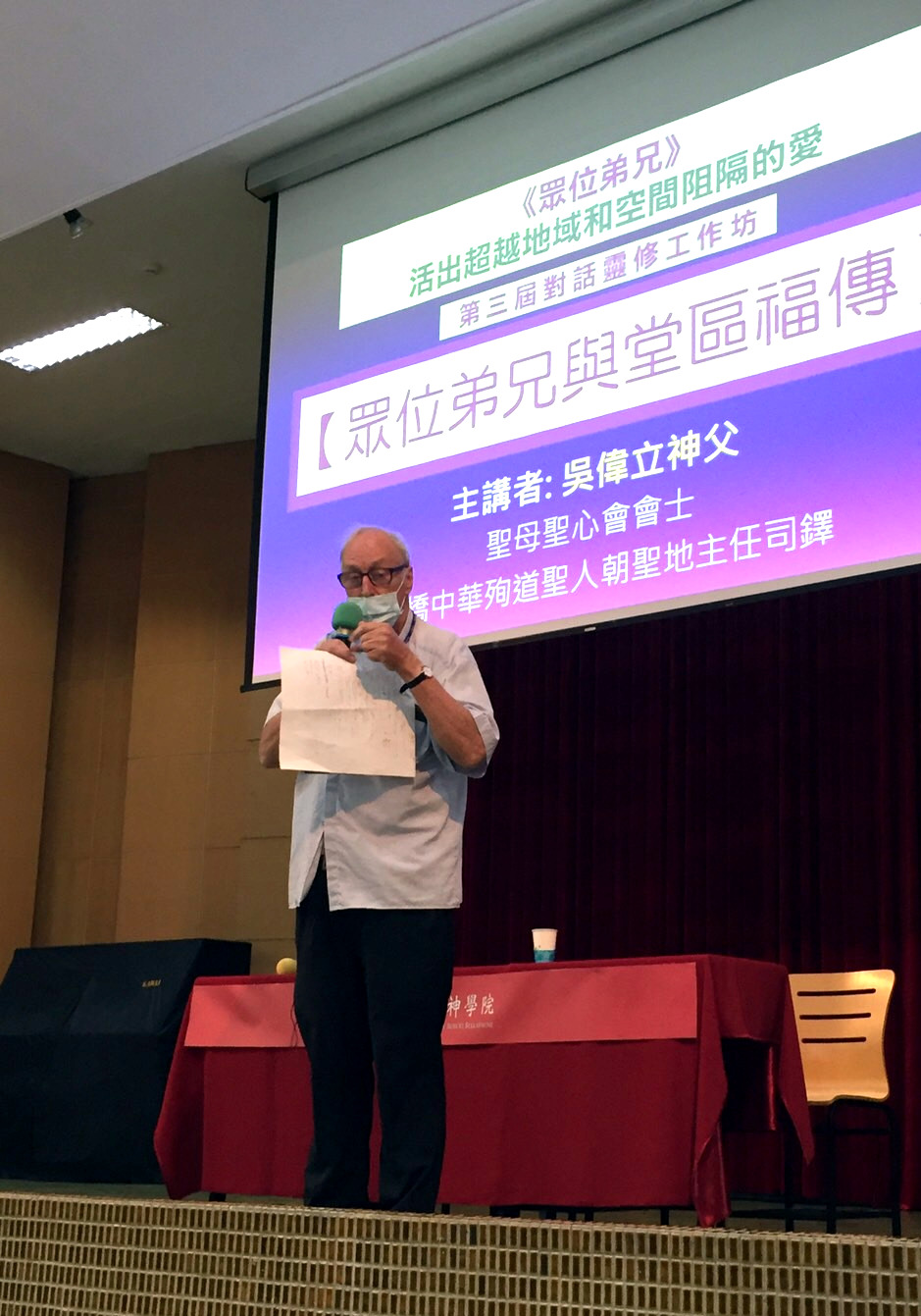
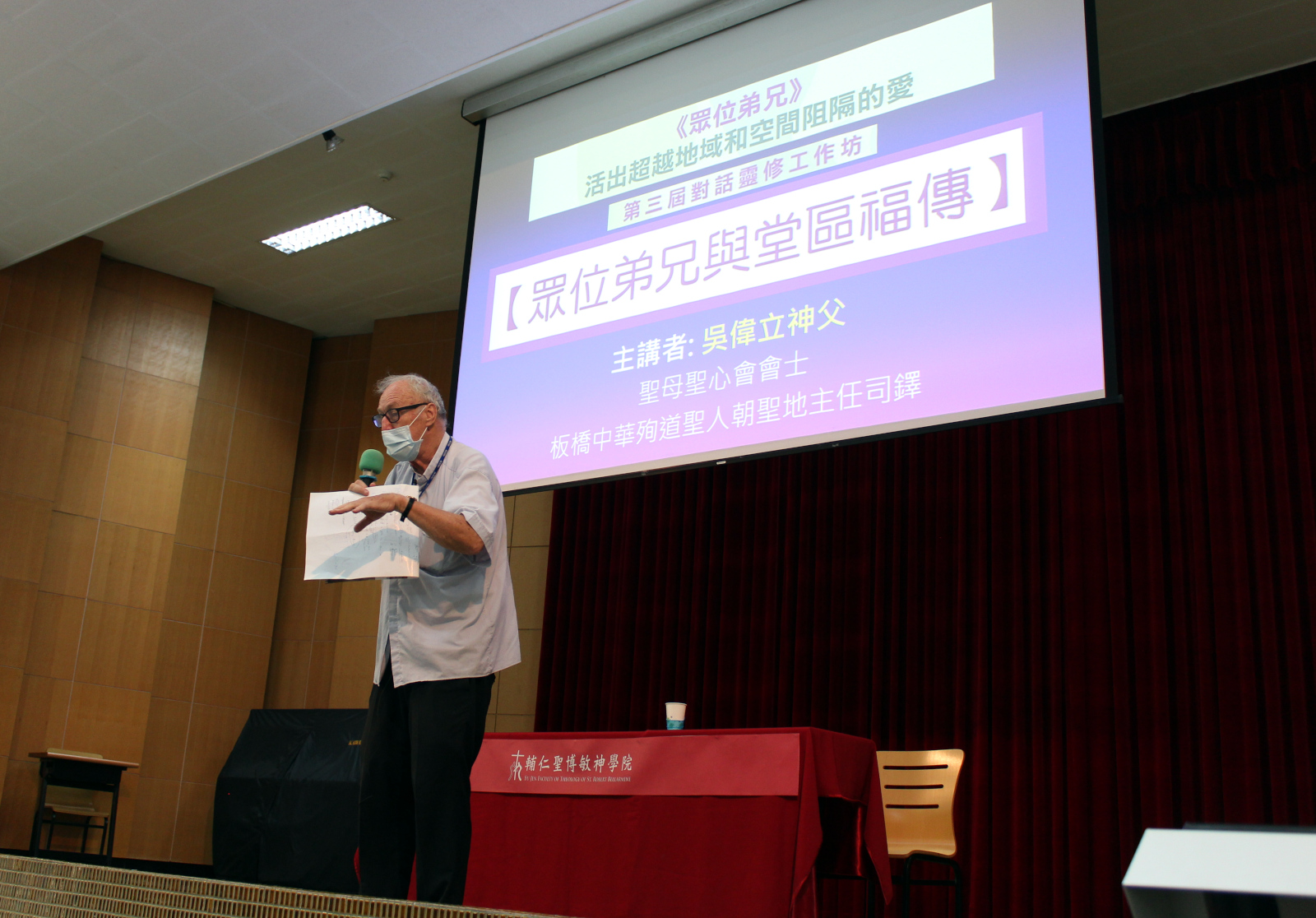
Entrust yourself in the hands of Jesus
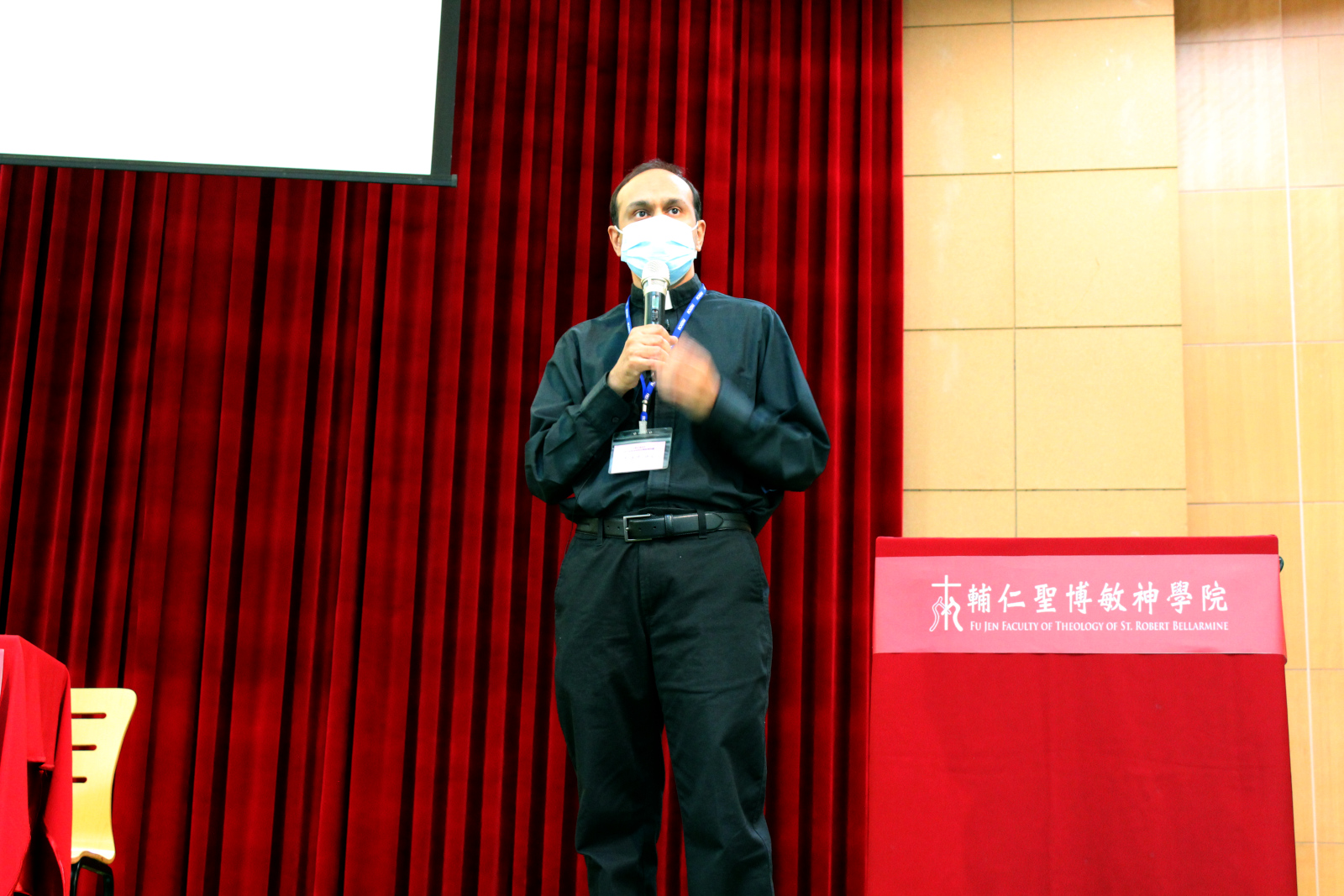
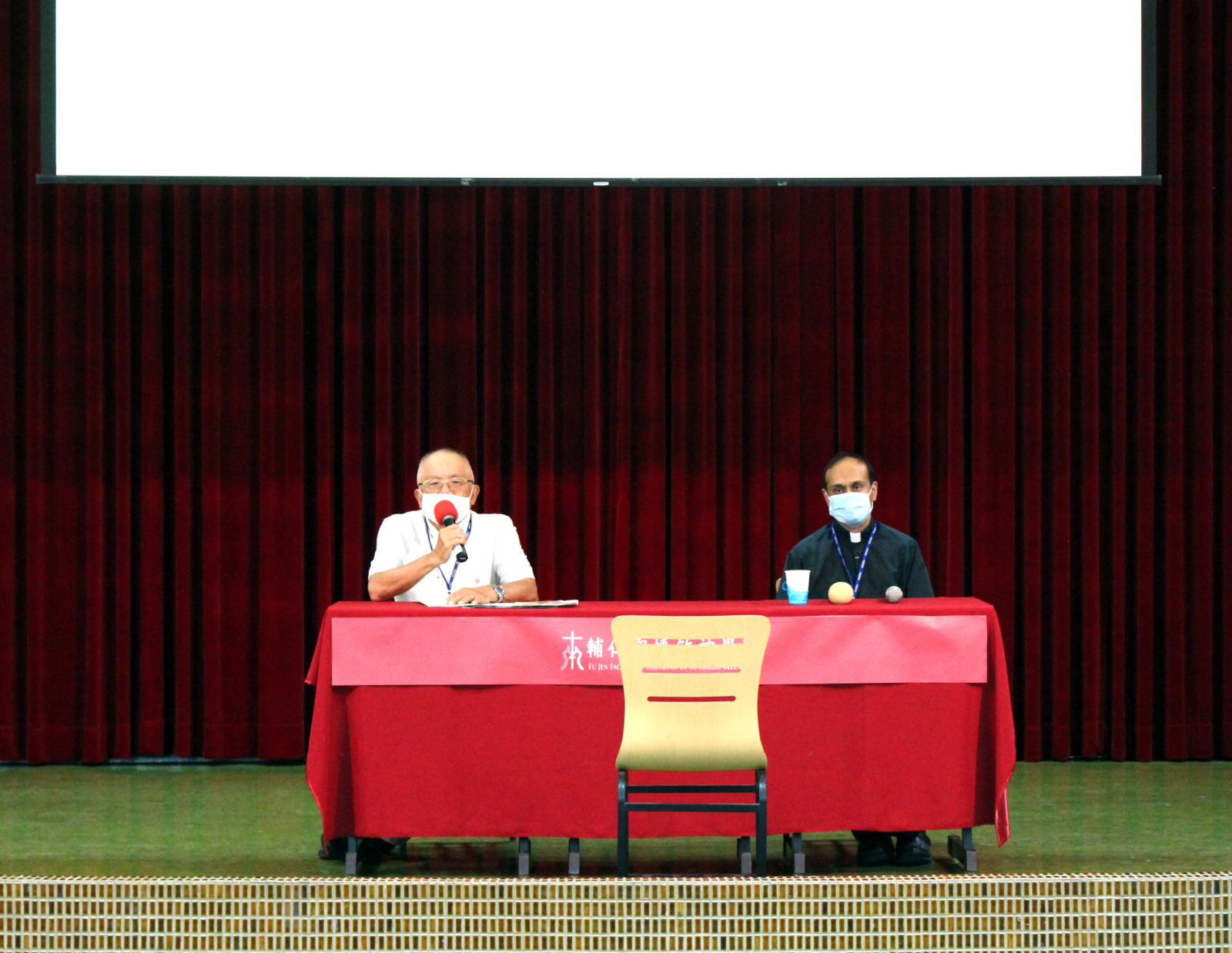
We are particularly grateful to Professor Ku Weiying, Director of the Ferdinand Verbiest Cultural Association, and Lecturer Joseph Lam, Secretary of the Board of Directors of the Leuven Ferdinand Verbiest Foundation, for co-hosting the workshop’s Q&A time, the dialogues, and the conclusion.
Finally, and once more, we welcome the friends and supporters of Ferdinand Verbiest Foundation and Cultural Association. If you want to know more about the content of this last part of the “Third Workshop in the Spirituality of Dialogue”, you can access the full session through the following links (in Chinese):